Las Vegas Markets
Convention Center District Las Vegas: Strategic Exhibit Planning and Coordination
Navigate the operational density and venue synergies of the Convention Center District with authoritative planning resources designed for Las Vegas's flagship convention corridor.
Understanding the Convention Center District Landscape
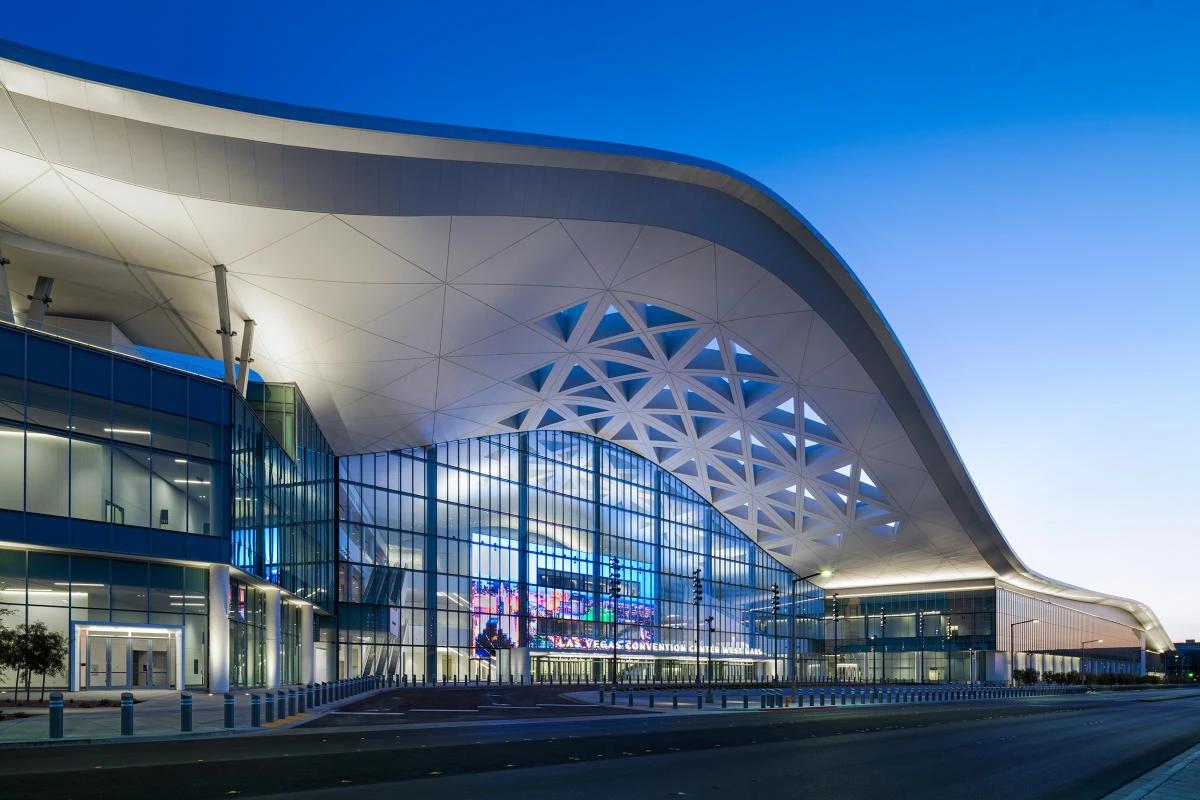
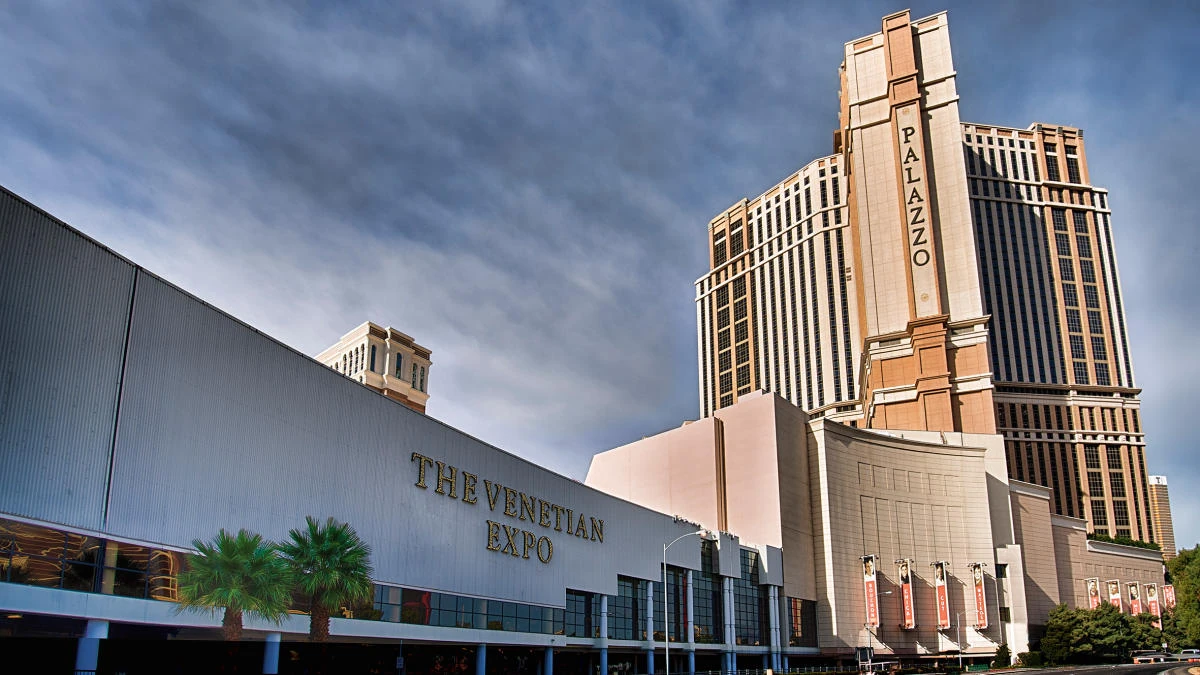
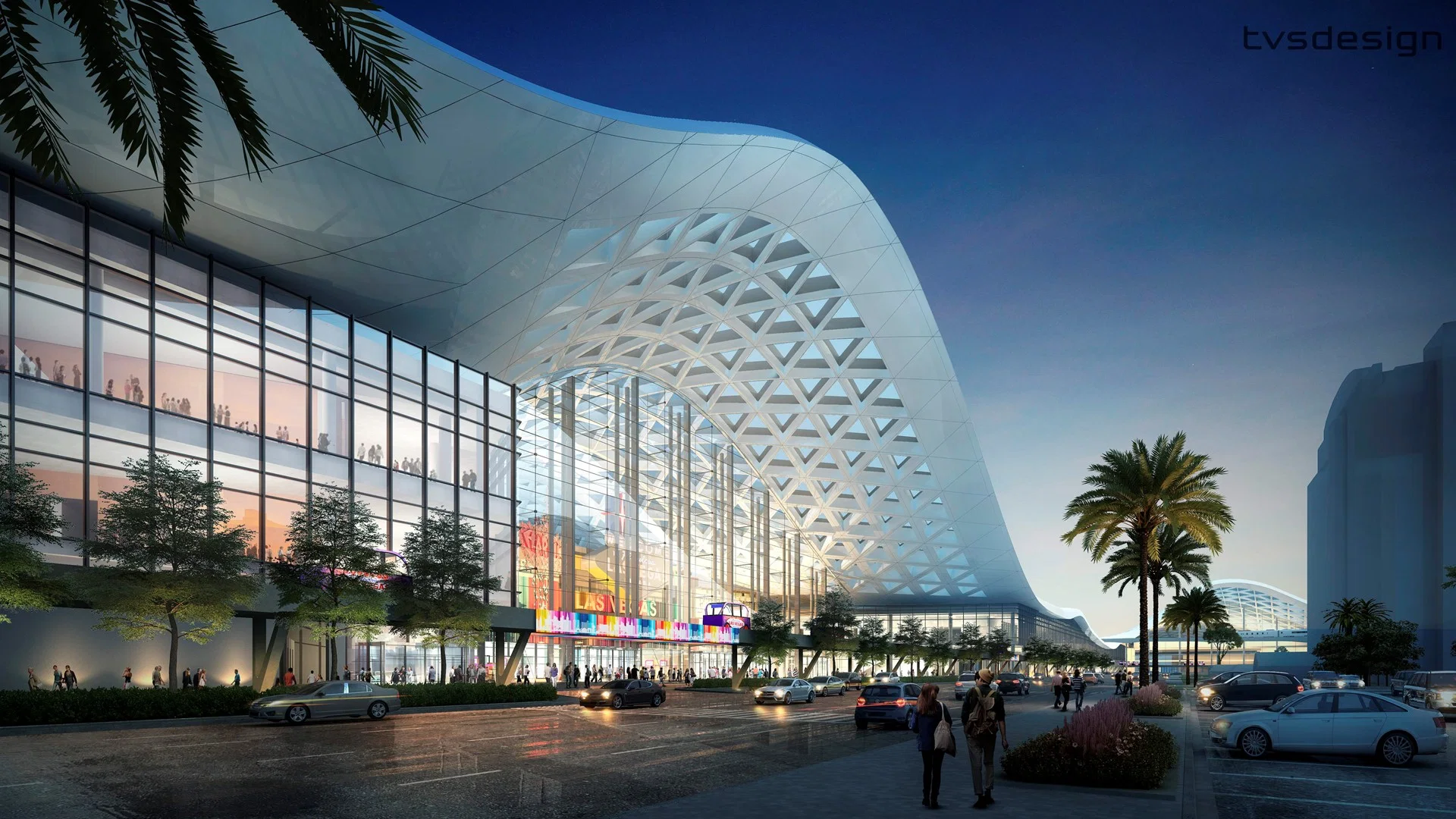
The Convention Center District occupies a strategic position in Las Vegas, concentrating major exhibition capacity in a defined corridor that supports both standalone events and those that expand across several properties. The Las Vegas Convention Center serves as the cornerstone, frequently paired with the Venetian Expo for events requiring additional square footage and specialized configurations. This clustering reduces logistical friction and creates opportunities for smooth attendee movement between sessions, exhibits, and networking functions.
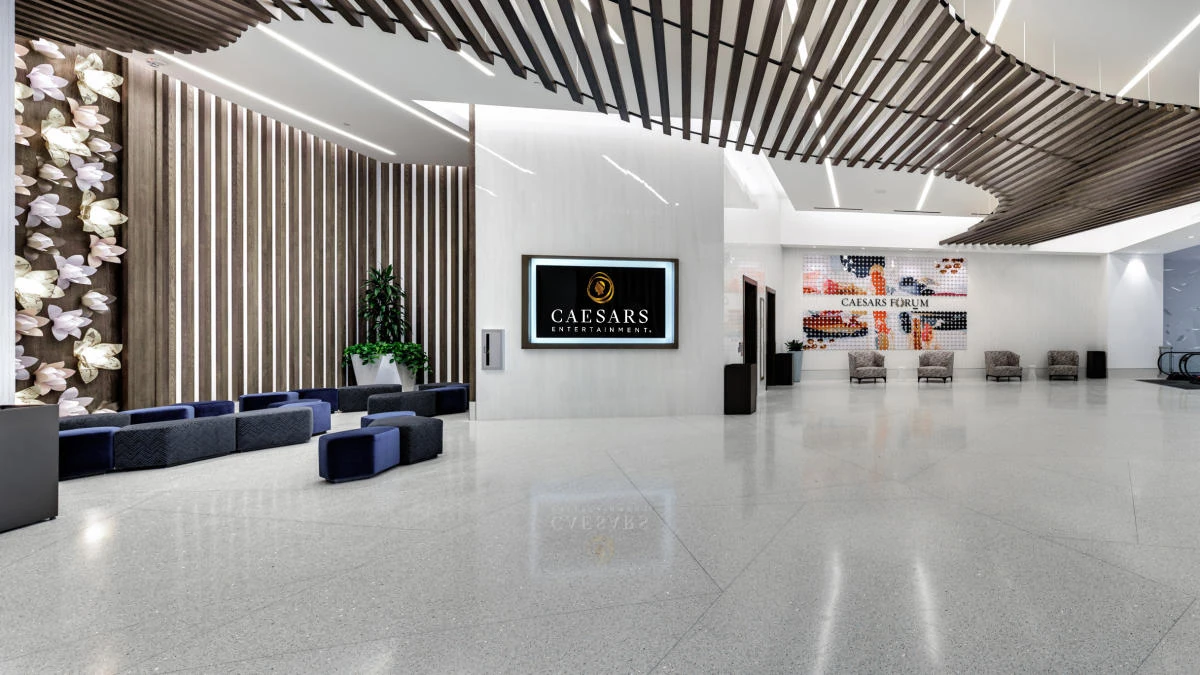
Planning within this district requires acknowledgment of its role in hosting some of the largest annual conventions in North America. Coordination efforts must address the implications of high daily attendance volumes, which influence everything from registration throughput to on-floor circulation design. Sources from vegasmeansbusiness.com confirm the presence of supporting venues such as Caesars Forum Conference Center, which adds flexible meeting and display space suited to hybrid formats.
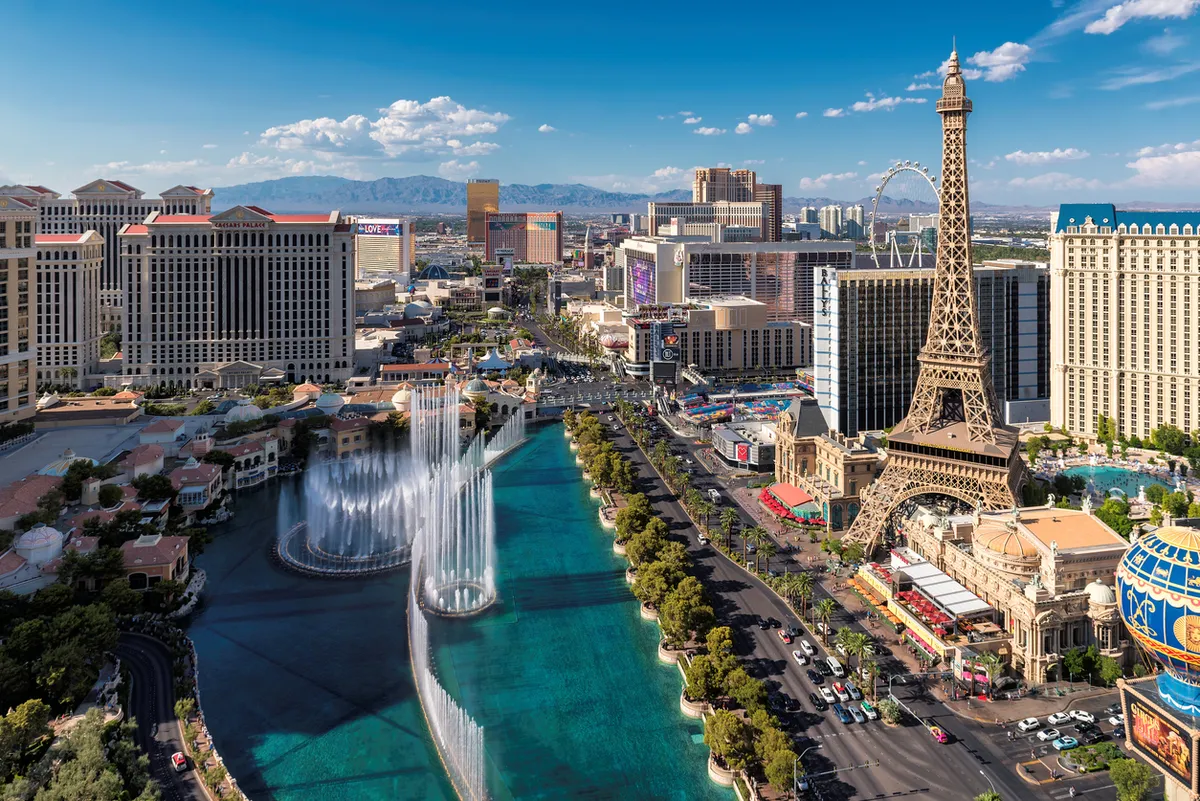
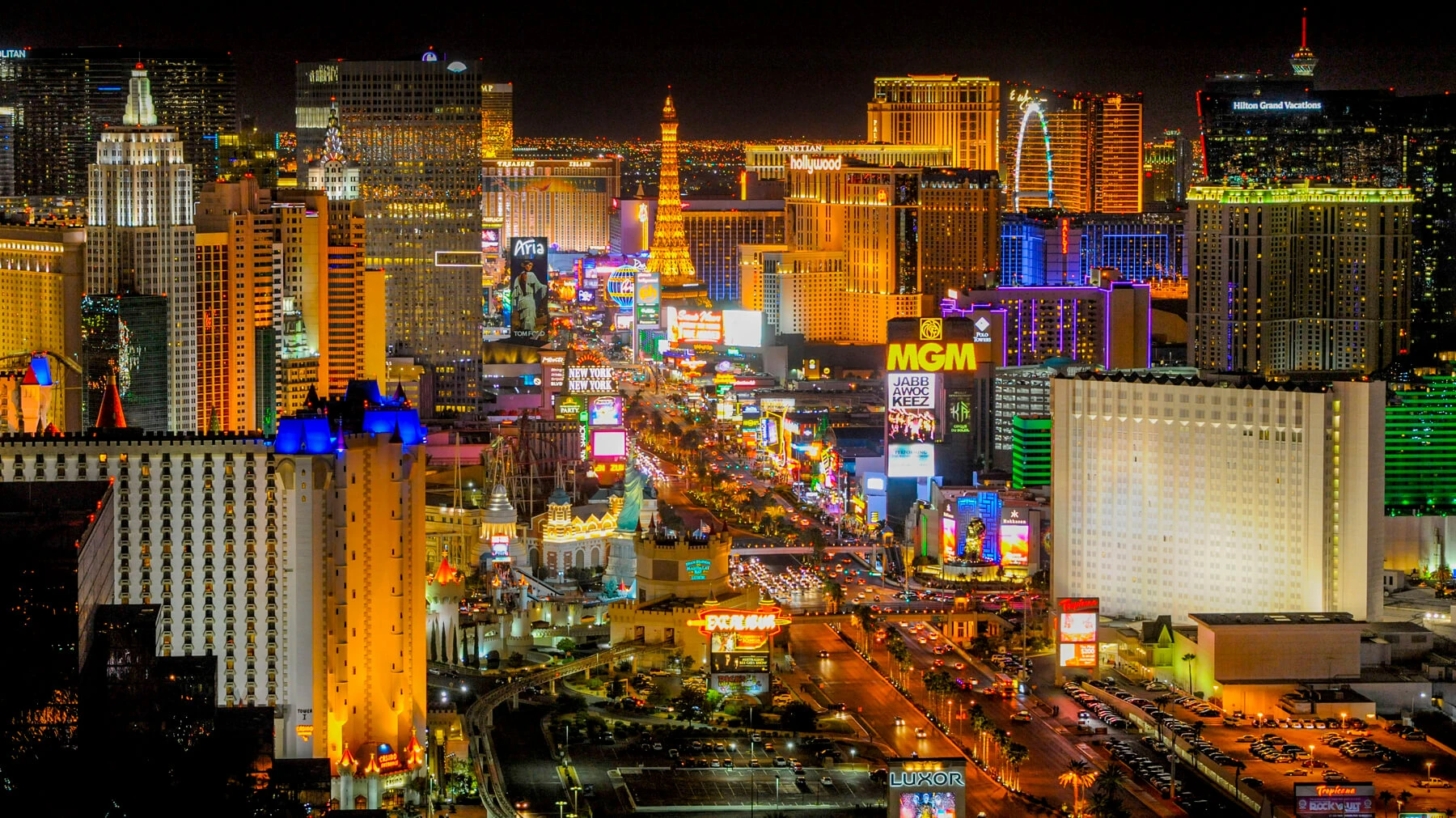
District specificity also includes awareness of surrounding infrastructure. Proximity to the Las Vegas Strip and Paradise areas allows for integrated transportation planning, while the absence of on-site warehousing claims keeps focus on strategic pre-event mapping of resources available through established channels.
Venue-Specific Planning Considerations
Each facility in the Convention Center District carries distinct operational signatures that influence exhibit coordination. The Las Vegas Convention Center emphasizes modular hall flexibility, requiring planners to map booth placements against anticipated traffic corridors and utility access points. Venetian Expo planning incorporates its connection points to adjacent resorts, allowing for extended exhibit experiences that flow naturally into hospitality functions.
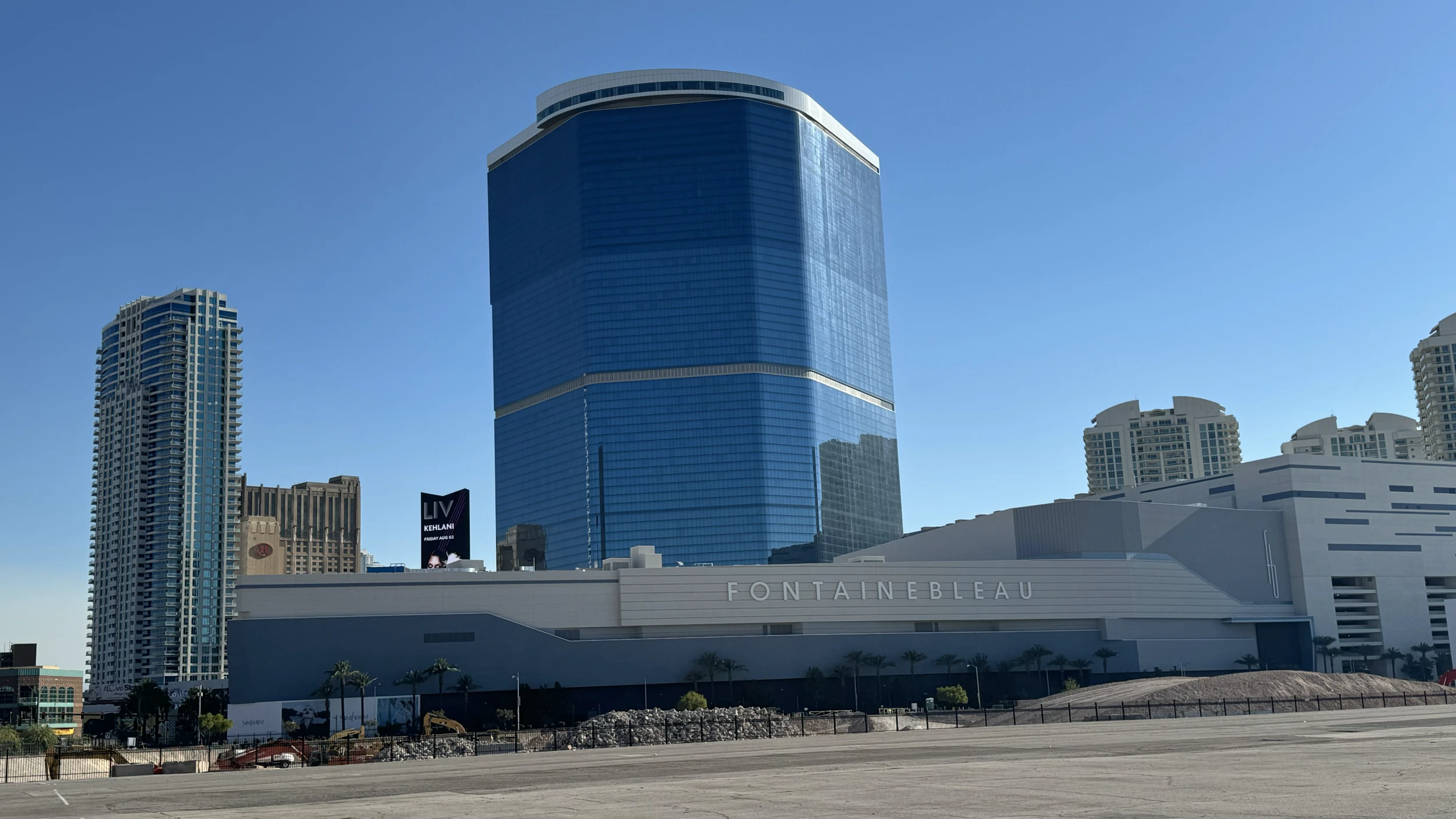
Caesars Forum Conference Center introduces requirements for more intimate, high-end activations where sight lines, acoustics, and technology integration take precedence. Meanwhile, properties such as Westgate Las Vegas Resort & Casino and Virgin Hotels Las Vegas offer alternative scales that suit mid-sized events or satellite programming tied to larger district shows. Fontainebleau Las Vegas brings contemporary design standards that reward exhibits emphasizing modern aesthetics and digital interactivity.
Successful coordination begins with mapping these differences during the initial concept phase. This avoids last-minute adjustments and ensures that exhibit elements are engineered to comply with each venue's unique load-in protocols, ceiling heights, and power specifications without assuming direct execution capabilities.
The district's value lies in the ability to combine these venues for hybrid events. A single convention might utilize the main convention center for general sessions, Caesars Forum for workshops, and a resort property for hospitality suites, demanding unified timelines and branding continuity.
Logistical Coordination for High-Volume Events
High-volume events in the Convention Center District create compressed timelines for installation and dismantling that must be anticipated months in advance. The scale of the Las Vegas Convention Center often means concurrent activity in multiple halls, requiring precise sequencing to prevent bottlenecks in freight movement and labor availability during peak periods.
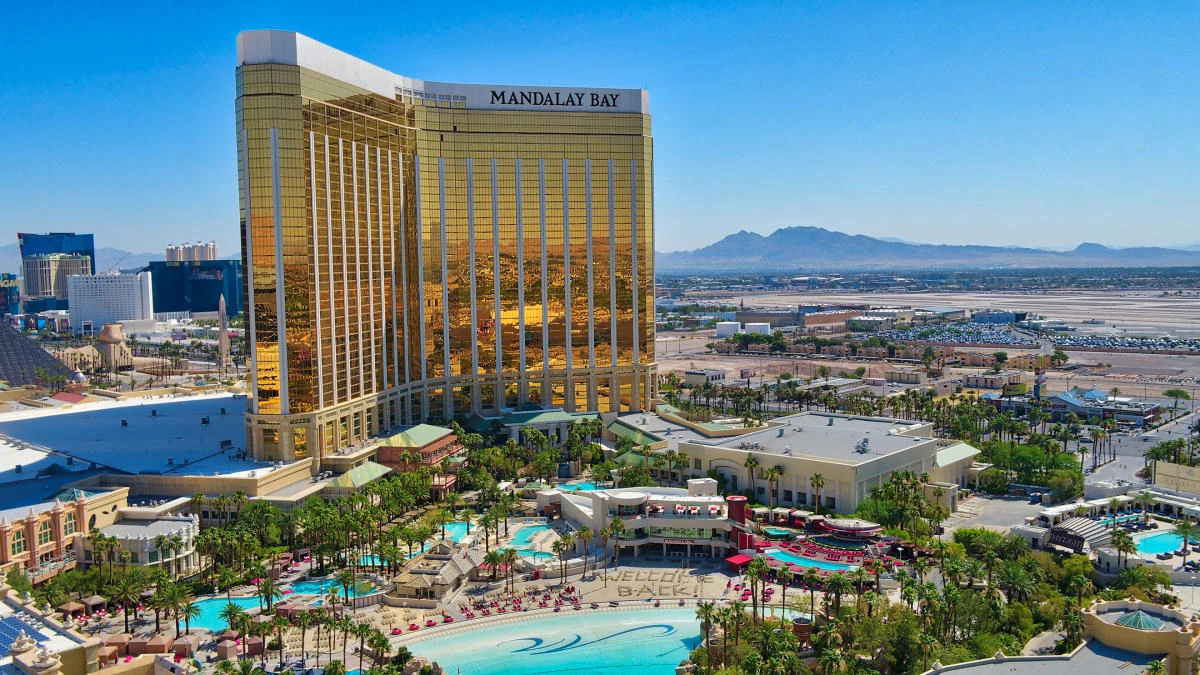
Operational detail extends to understanding district-wide traffic patterns. When events span the Venetian Expo and main convention center, planners coordinate badge protocols, shuttle schedules, and wayfinding to maintain attendee momentum. Similar considerations apply when incorporating Mandalay Bay Convention Center or Green Valley Ranch Resort & Spa for overflow or after-hours programming.
Effective strategies incorporate buffer periods for unforeseen delays common to large conventions. This includes mapping alternate routes for materials and personnel while maintaining focus on planning rather than on-site management. The district's density amplifies the importance of these considerations compared to more dispersed suburban locations such as Summerlin or Henderson.
Exhibit Design Strategies Tailored to District Venues
Exhibit designs for the Convention Center District must balance visibility in large halls with the need for meaningful engagement zones. The expansive nature of the Las Vegas Convention Center favors taller structures and digital signage that can be seen from a distance, while Venetian Expo spaces may call for more modular systems that adapt to varying configurations.
Operational nuance appears in the requirement for rapid reconfiguration between show days. Designs should incorporate elements that facilitate efficient daily resets without compromising structural integrity or brand presentation. Venues like Alexis Park All Suite Resort and Hilton Lake Las Vegas Resort & Spa often host smaller, more intimate activations where storytelling and interactive elements take priority over sheer scale.
Differentiation also comes from integrating technology that aligns with the district's forward-looking infrastructure. Planners consider how exhibits can leverage available high-speed connectivity and AV capabilities present across the primary venues while preparing fallback options for any technical variability.
The competitive density of the district rewards designs that create memorable experiences rather than passive displays. Coordination resources help map these creative decisions against the specific attendee demographics and session schedules typical of events in this corridor.
Multi-Venue Event Integration and Campaign Alignment
Many conventions in the Convention Center District extend beyond a single address, creating opportunities for unified campaigns that span the Las Vegas Convention Center, Venetian Expo, Caesars Forum, and supporting resorts. This requires master planning documents that synchronize messaging, graphics, and staff briefing across locations to avoid fragmentation.
The proximity of these venues differentiates the district from more spread-out markets. Reduced travel time between sites allows for tighter programming schedules and repeated attendee touchpoints. However, this also increases the need for meticulous timeline alignment so that exhibit activation at one location does not conflict with obligations at another.
Properties such as Virgin Hotels Las Vegas and Westgate Las Vegas Resort & Casino frequently participate in these extended footprints, offering hospitality or breakout options that extend the exhibit experience. Planning frameworks emphasize consistent measurement criteria so that performance data from multiple venues can be aggregated into coherent insights.
Long-term success in the district often involves preparation for recurring events. Understanding the annual rotation of major shows enables advance booking strategies and iterative design improvements based on previous cycle outcomes.
Measuring Outcomes and Refining District Strategies
Robust measurement frameworks are essential in the Convention Center District due to the high cost and visibility of participation. Planners establish key performance indicators early, tracking metrics from lead volume to engagement duration while accounting for the unique traffic patterns of each venue.
Post-event analysis should compare results across facilities. For instance, exhibits at the main convention center may generate higher foot traffic while those at Caesars Forum or Green Valley Ranch may yield deeper conversations. These insights inform future allocations of space and resources within the district.
The concentration of events in this corridor also creates networking multipliers. Strategic positioning can facilitate unplanned interactions with industry peers attending parallel shows. Coordination planning therefore includes identifying overlapping calendars and preparing activation themes that resonate with multiple audiences.
Continuous refinement separates repeat performers in the Las Vegas market. By treating each event as part of a longer district narrative, exhibitors build cumulative presence that compounds with each return visit to the Convention Center District.
Positioning Within the Broader Las Vegas Convention Ecosystem
While the Convention Center District serves as the primary concentration point, it connects to adjacent areas including the Las Vegas Strip, Paradise, Winchester, and Enterprise. This broader ecosystem allows for extended programming that begins or concludes at district venues before moving to satellite locations such as Summerlin or Henderson.
Understanding these relationships prevents siloed planning. An event anchored at the Las Vegas Convention Center might incorporate hospitality at a Strip property or overflow at Mandalay Bay, requiring coordination that respects the operational strengths of each zone. The district's central role makes it the natural hub around which these extended footprints are built.
As a planning resource, the emphasis remains on providing the frameworks that allow exhibitors to make informed decisions about where to allocate budget and creative energy. This district-focused approach highlights the unique advantages of density while acknowledging the supporting roles played by nearby submarkets listed in recommended location targets.
Frequently asked questions
What defines the Convention Center District in Las Vegas?
The district is characterized by the concentration of major venues including the Las Vegas Convention Center, Venetian Expo, and Caesars Forum Conference Center. Its value stems from the operational synergies created by their proximity and the scale of events they collectively support.
How does venue proximity benefit exhibit planning in this district?
Proximity enables multi-venue event designs with reduced transit times, allowing tighter schedules and repeated attendee engagement across sites. This supports unified campaigns that leverage the distinct capabilities of each facility while maintaining brand consistency.
Which venues are most commonly utilized together in the Convention Center District?
The Las Vegas Convention Center frequently operates in tandem with the Venetian Expo for expanded capacity, while Caesars Forum, Fontainebleau Las Vegas, and Mandalay Bay Convention Center provide complementary spaces for specialized sessions or hospitality. Westgate and Virgin Hotels often support ancillary programming.
What operational factors should planners prioritize for district events?
Key factors include compressed move-in and move-out timelines, attendee flow mapping across multiple halls, technology infrastructure alignment, and cross-venue scheduling to prevent conflicts during peak convention periods.
How far in advance should coordination begin for Convention Center District exhibits?
Strategic planning typically begins 12 to 18 months prior for major annual events to secure space, align with venue specifications, and develop integrated campaigns that take full advantage of the district's density and supporting venues.
How does the Convention Center District compare to other Las Vegas areas?
Unlike more residential or resort-focused zones such as Summerlin or Henderson, the district offers unmatched concentration of convention infrastructure. This creates distinct logistical advantages and higher visibility potential for appropriately scaled exhibits.
Top venues
See all venues