Las Vegas Venues
Wynn Las Vegas Exhibition Planning and Coordination
Authoritative guidance for orchestrating trade shows and exhibitions at the sophisticated Wynn Las Vegas resort within the Las Vegas events market.
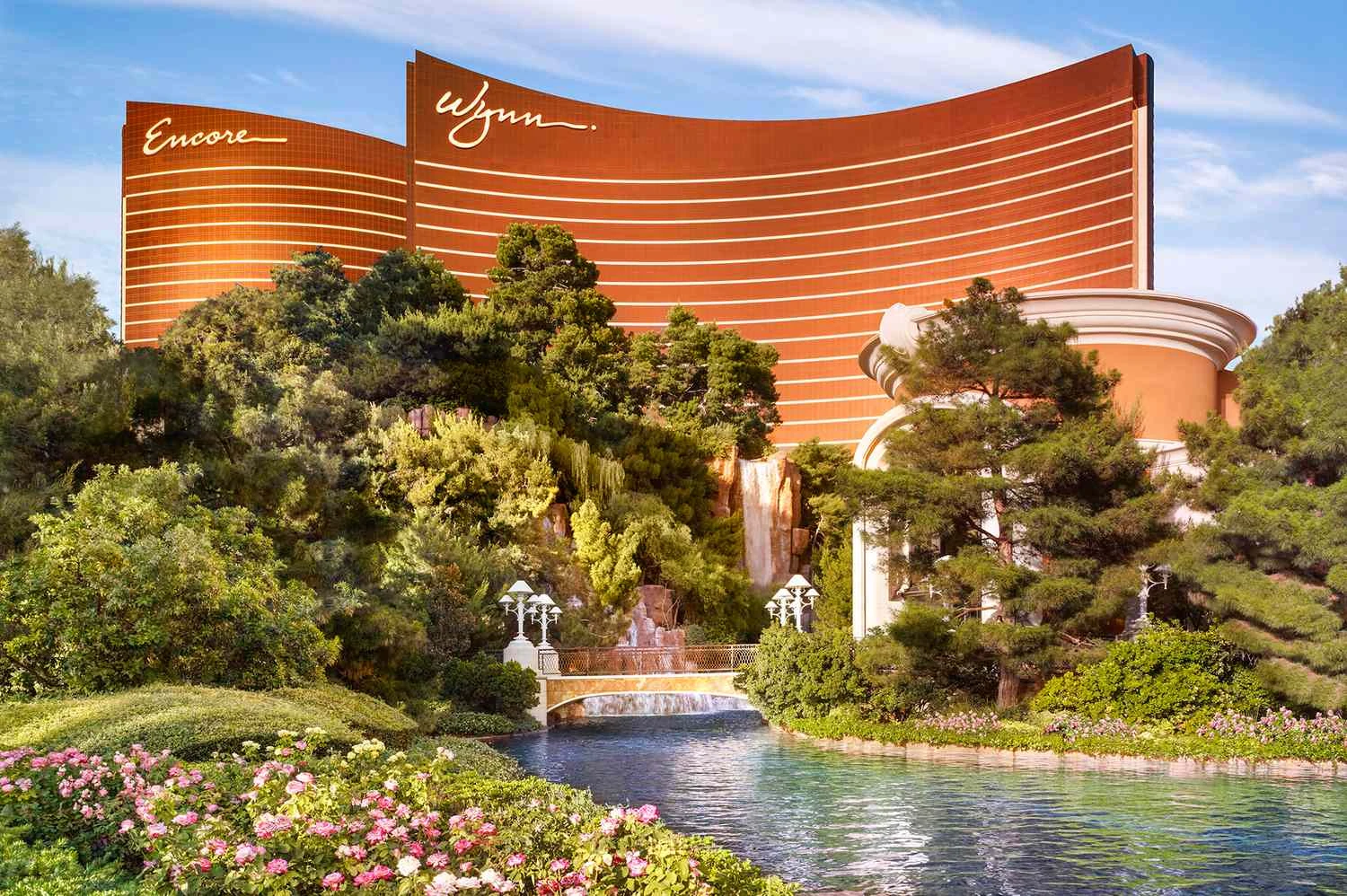
Wynn Las Vegas Within the Las Vegas Venue Landscape
The Las Vegas market features a spectrum of options ranging from large-scale convention centers to specialized resort campuses. Wynn Las Vegas contributes to the Strip North cluster by providing a luxury-oriented alternative that appeals to segments prioritizing refined atmospheres over sheer scale. This differentiation allows exhibitors to target audiences who respond to premium surroundings and integrated resort amenities.
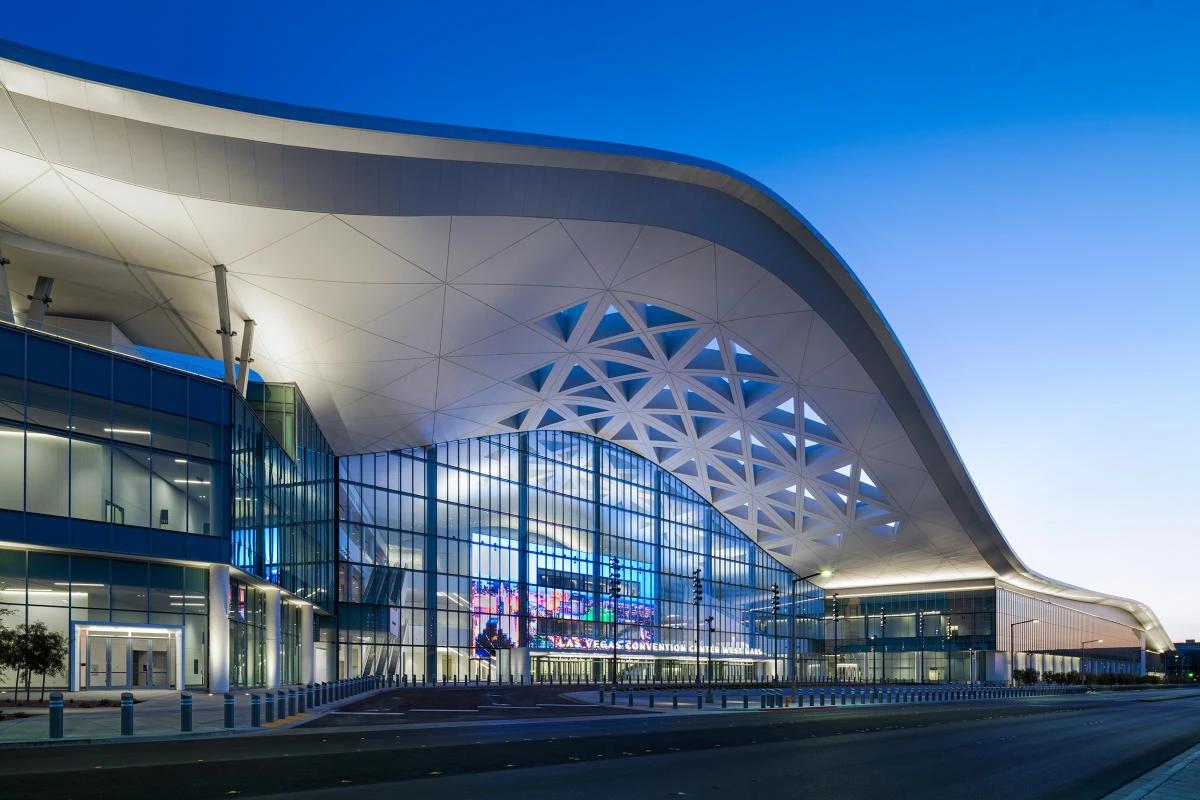
Planning considerations must incorporate how this venue interacts with neighboring properties and major draws such as the Las Vegas Convention Center located further along the corridor. Such awareness supports more effective scheduling that avoids conflicts and capitalizes on overlapping attendee traffic patterns across the Strip.
Resources for coordination stress the value of viewing individual events through the lens of these venue clusters. This perspective informs choices about exhibit scale, timing, and complementary activities that enhance visibility within the competitive Las Vegas environment without relying on unverified operational specifics.
By focusing on documented market drivers and established planning principles, organizations gain clarity on positioning their programs at Wynn in ways that complement rather than duplicate efforts at other listed venues throughout the region.
Strategic Location Factors in Strip North
Placement within the Strip North segment influences multiple aspects of event planning, from transportation access to the types of attendees likely to participate. Wynn Las Vegas benefits from this positioning by offering proximity to both northern attractions and the central Strip corridor, creating natural pathways for participants staying at multiple resort locations.
Coordination efforts benefit from understanding these geographic relationships when developing arrival protocols, shuttle considerations, and timing for peak activity periods. This district-level awareness helps mitigate potential bottlenecks and supports smoother overall attendee movement throughout the event duration.
Comparative analysis with other clusters such as Strip South or Convention Center District reveals how Wynn provides a more contained yet still connected experience. Planning documents that reference these distinctions enable better resource allocation and more targeted promotional approaches.
The resulting strategies contribute to higher efficiency in execution while maintaining focus on the unique attributes that make events in this specific segment stand out.
Exhibit Design Approaches for Luxury Resort Settings
Environments like Wynn Las Vegas call for design sensibilities that respect and enhance the prevailing aesthetic of refinement and attention to detail. This involves selection of elements that convey professionalism without disrupting the established ambiance, ensuring the exhibit serves as a smooth extension of the venue rather than a contrasting presence.
Coordination resources outline processes for evaluating spatial requirements against intended activities, whether focused on product demonstrations, educational sessions, or networking zones. The objective centers on creating functional spaces that facilitate meaningful interactions while adhering to the standards associated with upscale resort campuses.
Attention to how lighting, materials, and layout interact with the surrounding architecture forms a core part of preparatory planning. These considerations help maximize impact within the constraints and opportunities presented by this category of venue.
Successful outcomes frequently stem from iterative review processes that incorporate multiple stakeholder perspectives before final implementation, reducing the likelihood of on-site adjustments.
Logistics Coordination for Resort-Based Events
Resort venues introduce particular rhythms around delivery windows, setup sequences, and dismantle procedures that differ from dedicated convention facilities. Planning frameworks address these patterns by establishing clear timelines and checkpoints that maintain alignment with both venue parameters and exhibitor requirements.
Within the Las Vegas context, broader supply chain considerations across the city and its surrounding areas play a supporting role. Effective coordination maps these elements to prevent disruptions and ensure that all components arrive and function as intended within the designated resort environment.
Emphasis is placed on contingency development that accounts for the interconnected nature of Strip operations. This preparation supports adaptability while preserving the core program structure and intended attendee experience.
Documentation of these processes serves as a reference that streamlines communication among all parties involved in the exhibition lifecycle.
Enhancing Attendee Engagement at Wynn
Audiences at luxury resort events often expect elevated levels of personalization and sophistication in interactions. Planning therefore incorporates tactics designed to create memorable touchpoints that align with these expectations while advancing specific business development goals.
Integration of the venue's inherent amenities into the overall program architecture can extend the reach and depth of engagement beyond the physical exhibit boundaries. This holistic view supports more comprehensive experiences that reinforce brand positioning within the competitive Las Vegas marketplace.
Measurement approaches that capture both quantitative attendance data and qualitative feedback contribute to ongoing refinement. Coordination guidance includes structures for implementing these assessment methods in ways that yield actionable insights for current and subsequent events.
The combination of thoughtful design, operational precision, and engagement strategy produces programs that resonate more effectively with participants drawn to this tier of venue.
Technology Considerations for Modern Exhibitions
Contemporary events increasingly rely on digital tools to deliver information, facilitate connections, and gather performance data. At venues like Wynn Las Vegas, these technologies must integrate smoothly with the physical environment to avoid any disruption to the luxury experience.
Planning addresses infrastructure compatibility, content development, and user experience design to ensure technological elements enhance rather than complicate visitor interactions. This includes evaluation of bandwidth needs, display options, and backup systems appropriate to the setting.
Emerging solutions are assessed for their relevance to the specific audience demographics associated with Strip North resort events. The goal remains purposeful application that supports rather than overshadows core messaging and relationship-building activities.
Post-implementation review of technology performance forms an essential component of comprehensive event documentation and future planning refinement.
Budget Development and Resource Allocation
Financial planning for events in this segment requires thorough accounting of all direct and indirect costs associated with resort operations, district logistics, and program components. Structured approaches help identify these variables early, supporting more accurate forecasting and allocation decisions.
Prioritization frameworks assist in directing resources toward elements with highest potential return, whether in design quality, technology implementation, or staffing configurations. This strategic lens ensures alignment between investment levels and intended outcomes.
Ongoing monitoring against established benchmarks allows for timely adjustments while maintaining overall fiscal discipline. Coordination resources supply organizational templates that facilitate this level of oversight without introducing unnecessary complexity.
The resulting budgets reflect a balanced consideration of market realities across the various Las Vegas venue types and clusters.
Post-Event Evaluation and Knowledge Transfer
Comprehensive planning extends through post-event phases to capture lessons learned and convert interactions into continued business development. Structured evaluation processes document both successes and areas for improvement in ways that inform subsequent planning cycles.
Integration of findings with broader market intelligence from venues across Las Vegas strengthens future strategies. This cumulative knowledge base supports progressive enhancement of exhibition programs over time.
Coordination emphasizes the establishment of clear metrics and reporting formats during initial planning stages. Such foresight ensures that data collection occurs naturally throughout the event rather than as an afterthought.
The disciplined application of these practices transforms individual Wynn Las Vegas events into building blocks for long-term programmatic success within the regional marketplace.
Frequently asked questions
How does Wynn Las Vegas compare to other Strip venues for exhibitions?
Wynn Las Vegas provides a luxury-focused environment within the Strip North cluster that differentiates it from larger convention facilities or other district options. Planning emphasizes how this positioning supports specific brand objectives while integrating with the overall Las Vegas events ecosystem.
What district considerations apply when planning for Wynn?
Strip North placement requires attention to transportation networks, proximity to complementary properties, and alignment with citywide event timing. These factors influence logistics, attendance potential, and how the program connects with broader market activity.
Why is specialized coordination important for resort venues?
Resort settings operate under distinct protocols compared to dedicated convention centers. Professional planning resources help navigate these operational distinctions while maintaining focus on strategic outcomes and attendee experience.
What role does exhibit design play at Wynn Las Vegas?
Design must harmonize with the venue's luxury standards through material selection, spatial planning, and aesthetic integration. This alignment supports stronger brand perception and more effective engagement within the resort context.
How can events at Wynn connect with the larger Las Vegas market?
By referencing established venue clusters and documented demand patterns, planning identifies opportunities for cross-promotion and calendar alignment. This approach maximizes reach while respecting the unique attributes of each location.
Top venues
See all venues