Las Vegas Venues
Hilton Lake Las Vegas Resort and Spa Trade Show Exhibit Planning
Access authoritative coordination strategies and planning insights tailored to the distinctive lakeside environment of the Hilton Lake Las Vegas Resort and Spa for impactful trade shows and corporate exhibitions.
Strategic Value of the Hilton Lake Las Vegas Resort and Spa in the Regional Events Market
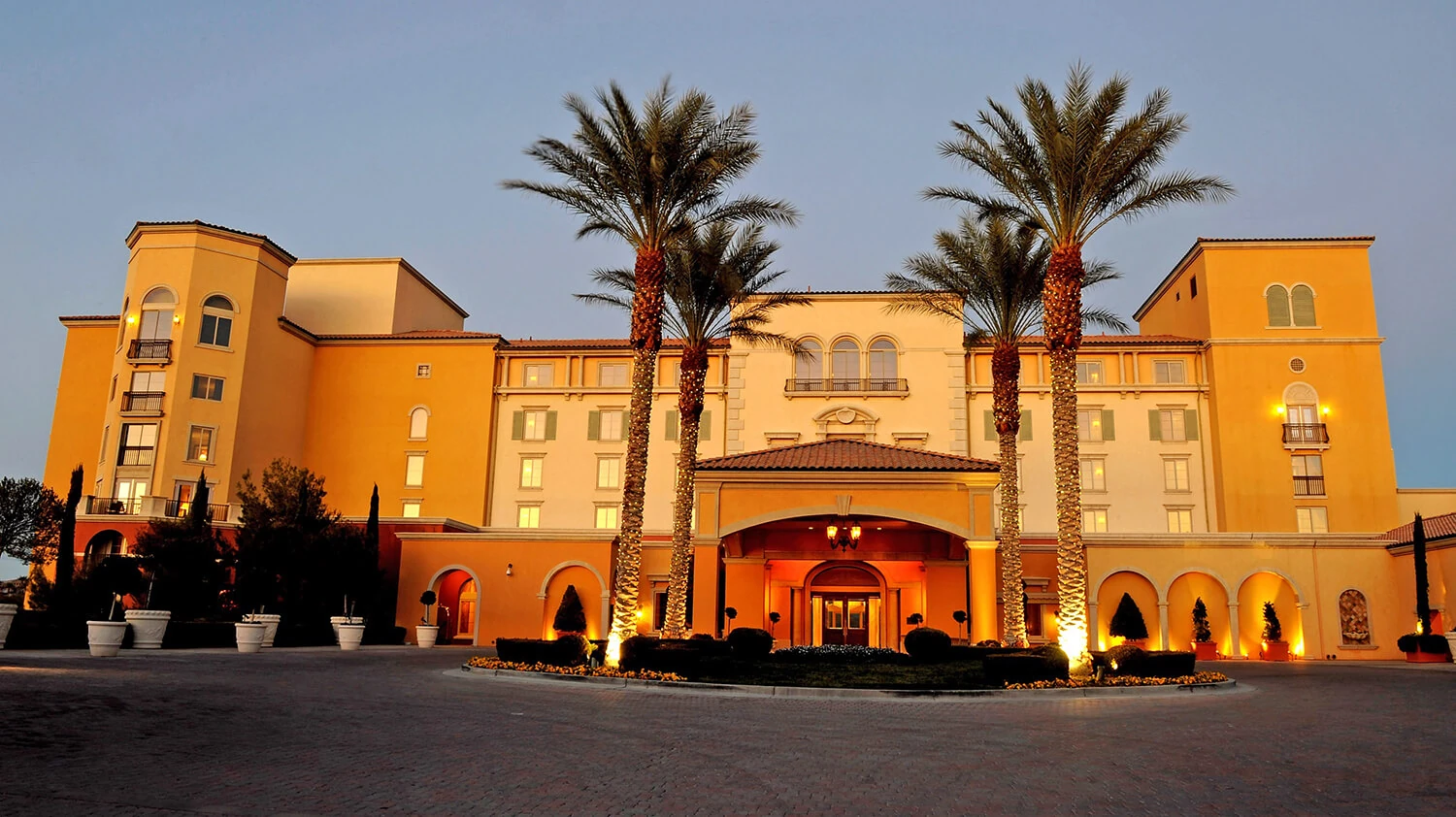
Within the spectrum of Las Vegas venues, the Hilton Lake Las Vegas Resort and Spa represents the suburban resort category, offering an alternative to both massive convention centers and high-density Strip properties. Its placement in the Lake Las Vegas district supports events where reduced external distractions facilitate deeper engagement, longer dwell times at exhibits, and more meaningful business conversations. This environment particularly suits mid-sized corporate gatherings, product demonstrations, and industry forums that benefit from a campus-like layout rather than urban density.
Market data from established Las Vegas business event sources consistently positions properties like this as preferred options for organizations seeking balance between professional rigor and restorative amenities. The resort's spa facilities, golf courses, and waterfront views can be referenced in pre-event communications to elevate perceived value. When structuring an exhibit program, coordination plans should incorporate these amenities as extensions of the experience, guiding attendees from display areas to breakout sessions or networking zones with intentional wayfinding.
Effective differentiation begins with recognizing that this venue serves a distinct segment compared to North Strip, South Strip, or Convention Center District locations. Planners achieve better outcomes by adapting activation styles to emphasize intimacy and personalization over high-volume traffic. This approach aligns with broader trends where corporate decision-makers increasingly select venues that minimize fatigue while maximizing productive interactions across multiple days of programming.
Logistics Coordination for Off-Strip Resort Properties
Transportation represents a primary planning variable for the Hilton Lake Las Vegas Resort and Spa due to its distance from the Las Vegas Strip and airport hubs. Coordination resources recommend building in buffer periods for shuttle services, private transfers, and freight movements that typically require 25 to 35 minutes of transit time under normal conditions. These timelines influence everything from installation windows to daily attendee attendance patterns and must be mapped against union rules, local traffic patterns, and peak event seasons.
Material handling at resort venues follows structured protocols that differ from dedicated exposition halls. Exhibits must be designed with modularity and maneuverability in mind to navigate potentially narrower access points and service elevators. Advance documentation of dimensions, weights, and electrical requirements helps prevent last-minute adjustments that could impact the overall event schedule or budget allocations.
Seasonal factors in the Henderson area add another layer of detail. Temperatures and wind conditions around Lake Las Vegas can affect outdoor components or transition zones between indoor and exterior spaces. Comprehensive planning documents therefore incorporate contingency pathways and backup configurations to maintain program integrity regardless of weather variables typical to the desert Southwest region.
Cross-referencing with neighboring properties in the same cluster, such as the Westin Lake Las Vegas Resort and Spa or Green Valley Ranch Resort and Spa, reveals shared logistical considerations that experienced coordinators apply across multiple venues. This comparative knowledge allows for standardized processes that reduce redundancy while preserving the unique character of each location.
Exhibit Design Approaches Adapted to Lakeside Resort Aesthetics
Exhibit structures for the Hilton Lake Las Vegas Resort and Spa perform best when they echo the property's refined yet nature-oriented design language. Neutral palettes, organic textures, and strategic use of lighting help displays integrate rather than clash with the surrounding architecture and views. This contextual sensitivity contributes to an elevated attendee perception that the brand respects its environment, an increasingly important factor in corporate event evaluation metrics.
Modular systems offer clear advantages in resort settings where storage and reconfiguration flexibility may be limited compared to convention center docks. Designs that break down into manageable components reduce labor hours and minimize potential damage during transport across the greater Las Vegas valley. Attention to ceiling heights, column placements, and sight lines within specific ballrooms or pre-function areas further refines these systems for maximum visual impact.
Incorporation of interactive or experiential elements should be calibrated to the resort's emphasis on wellness and reflection. Touchscreen displays, quiet consultation zones, or demonstration areas that allow seated conversations often outperform high-decibel activations better suited to Strip properties. The goal remains creating environments that encourage lingering and dialogue while respecting the overall tranquility that defines the Lake Las Vegas experience.
Sustainability considerations have grown central to planning at properties with prominent natural surroundings. Selection of rental components with recycled content, LED lighting arrays, and minimal single-use graphics aligns with emerging standards across Las Vegas event venues while reducing shipping weight and associated costs.
Technology and Audiovisual Infrastructure Planning
The Hilton Lake Las Vegas Resort and Spa maintains technology capabilities appropriate for hybrid and digitally enhanced events. Coordination involves early mapping of available bandwidth, power distribution, and projection options within chosen spaces. Planners who integrate these elements during initial design phases avoid costly retrofits and create smooth transitions between physical exhibits and virtual participation streams.
Lighting design takes on heightened importance in resort ballrooms where natural light from windows overlooking the lake can create glare or color shifts throughout the day. Professional coordination includes specifications for adjustable systems that maintain brand color accuracy while complementing the architectural mood. Similarly, sound reinforcement must be tuned to avoid bleed between adjacent meeting areas common in multi-purpose resort facilities.
Emerging tools such as mobile wayfinding applications or augmented reality product viewers can be effectively deployed when the underlying network infrastructure has been verified. These enhancements extend the reach of physical exhibits, allowing attendees to access deeper information at their own pace while moving between sessions or resort amenities.
Post-event data collection through integrated sensors or QR-enabled touchpoints provides measurable insights that justify future investments. When properly coordinated with overall event objectives, technology becomes a multiplier rather than a distraction within the measured pace of a lakeside resort gathering.
Budget Development and Resource Allocation for Resort Venues
Financial planning for events at the Hilton Lake Las Vegas Resort and Spa differs from Strip or convention center programs in several respects. Transportation surcharges, potential need for supplemental shuttles, and the property's distinct food and beverage minimums must be modeled accurately from the outset. Experienced coordination helps isolate these variables and identify areas where rental exhibit solutions can deliver cost predictability compared to one-off custom fabrication.
Labor considerations reflect the venue's scale and union jurisdictions that govern the broader Las Vegas market. By establishing clear timelines and scope definitions early, organizers can avoid overtime charges that accumulate quickly when schedules compress. Comprehensive budgets also allocate resources for pre-event site visits, which remain one of the most effective methods for uncovering details not captured in standard floor plans.
Return on investment calculations should incorporate both direct costs and the qualitative advantages of the resort setting. Many organizations report higher satisfaction scores and improved lead quality from events held in environments that combine business infrastructure with restorative amenities. These outcomes can be tracked through structured post-event surveys and CRM integration that ties exhibit interactions to longer-term revenue pipelines.
Comparative analysis against similar properties in the East Las Vegas and Henderson clusters helps refine budget templates. Data from multiple events reveals patterns in spending distribution that can be applied to improve forecasting accuracy for future programs at the Hilton Lake Las Vegas Resort and Spa or comparable locations.
Timeline Management and Critical Path Coordination
The critical path for any event at the Hilton Lake Las Vegas Resort and Spa begins months before move-in with permit verification, union notifications, and supplier contract finalization. Because the property operates within the larger Las Vegas events ecosystem, alignment with city-wide peak periods can influence availability of specialized equipment and personnel. Forward planning mitigates these risks and creates space for creative development rather than reactive problem solving.
Setup and dismantling windows at resort venues are often more constrained than at purpose-built convention facilities. Detailed Hour by Hour schedules that coordinate with housekeeping, security, and food service teams prevent bottlenecks. Regular checkpoint reviews during the planning cycle allow for adjustments as attendee numbers or program elements evolve.
Post-event reporting completes the coordination cycle by documenting lessons learned and establishing benchmarks for subsequent events. Capturing actual versus projected timelines, budget variances, and attendee feedback creates an institutional knowledge base that compounds in value across multiple Las Vegas programs regardless of specific venue.
The cumulative effect of disciplined timeline management is measurable in reduced stress, lower change-order costs, and higher quality execution. Organizations that treat coordination as a core competency rather than an afterthought consistently achieve superior results at distinctive properties like the Hilton Lake Las Vegas Resort and Spa.
Comparative Context Within Las Vegas Venue Clusters
The Hilton Lake Las Vegas Resort and Spa belongs to the group of suburban and Henderson-area properties that serve as counterpoints to the Convention Center District, Strip Central, Strip South, and Strip North clusters. This differentiation allows event organizers to select environments based on specific program goals rather than defaulting to the largest or most visible options. Understanding these distinctions supports more intentional venue selection and exhibit strategies calibrated to each location's strengths.
Properties sharing the Lake Las Vegas corridor, including nearby resorts, demonstrate consistent demand for events prioritizing wellness, executive retreats, and specialized training alongside exhibition components. This pattern informs how exhibits should be scaled and styled to harmonize with the prevailing atmosphere. Coordination expertise spans these properties, enabling consistent quality even as each venue maintains its individual identity and operational nuances.
Market intelligence drawn from Las Vegas business event listings underscores the growing role of such destinations in diversifying the city's appeal beyond mega-conventions. Organizations benefit from this expansion by accessing venues that better match their audience size, content focus, and desired attendee experience. Strategic planning therefore includes regular review of how different clusters perform against defined KPIs.
Frequently asked questions
How does the Hilton Lake Las Vegas Resort and Spa differ from Strip venues for trade shows?
This resort provides a lakeside, lower-density environment that supports concentrated networking and extended exhibit interactions. It contrasts with the high-traffic, entertainment-focused atmosphere of Strip properties while still delivering professional facilities suitable for corporate-scale events.
What transportation factors should be considered when planning an event here?
Travel time from Harry Reid International Airport and the Las Vegas Strip typically ranges from 20 to 40 minutes depending on traffic. Coordination plans must incorporate shuttle schedules, attendee transportation, and freight delivery timelines to maintain the overall event schedule.
Are modular exhibits recommended for this venue?
Modular and portable systems generally perform well at resort properties where access and storage options differ from dedicated convention centers. These solutions provide flexibility while helping control costs and simplify logistics across multiple Las Vegas area events.
When should planning begin for an exhibit at the Hilton Lake Las Vegas Resort and Spa?
Initial concept and budgeting discussions should start at least six to nine months prior for mid-sized programs, with detailed specifications finalized no less than 90 days before move-in. This timeline accounts for the unique coordination requirements of off-Strip resort venues.
How can exhibits incorporate the resort's natural setting?
Successful designs reference the lakeside and spa aesthetic through color palettes, materials, and lighting choices. This contextual approach creates cohesive experiences that reinforce brand positioning without competing against the property's inherent atmosphere.
What role does sustainability play in events at this location?
Properties with prominent natural surroundings increasingly favor partners who demonstrate environmental responsibility. Selection of reusable rental components, digital collateral, and energy-efficient lighting aligns with these expectations while often reducing overall program costs.
Top venues
See all venues