Las Vegas Markets
Strip Central Las Vegas Trade Show Exhibit Planning & Coordination
Position your brand at the busy core of the Las Vegas Strip with strategic planning tailored to central district events, venues, and attendee flows.
Understanding the Unique Position of Strip Central Las Vegas
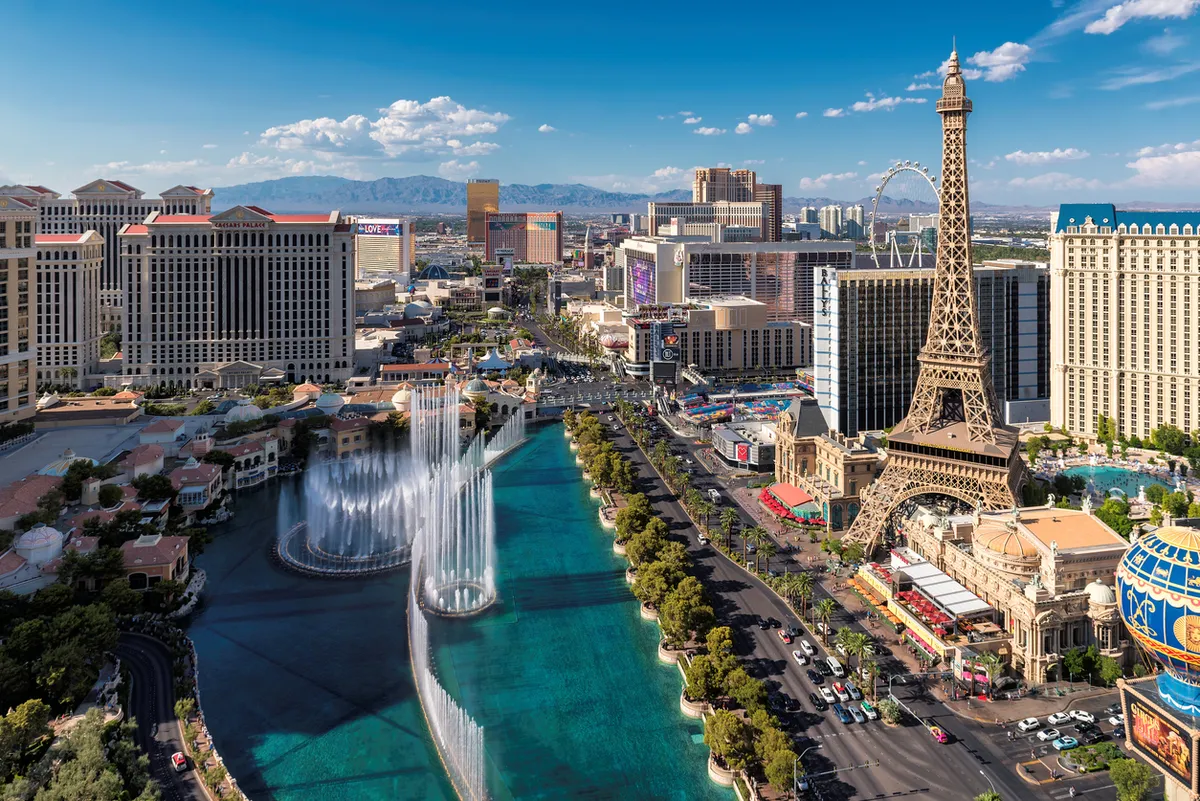
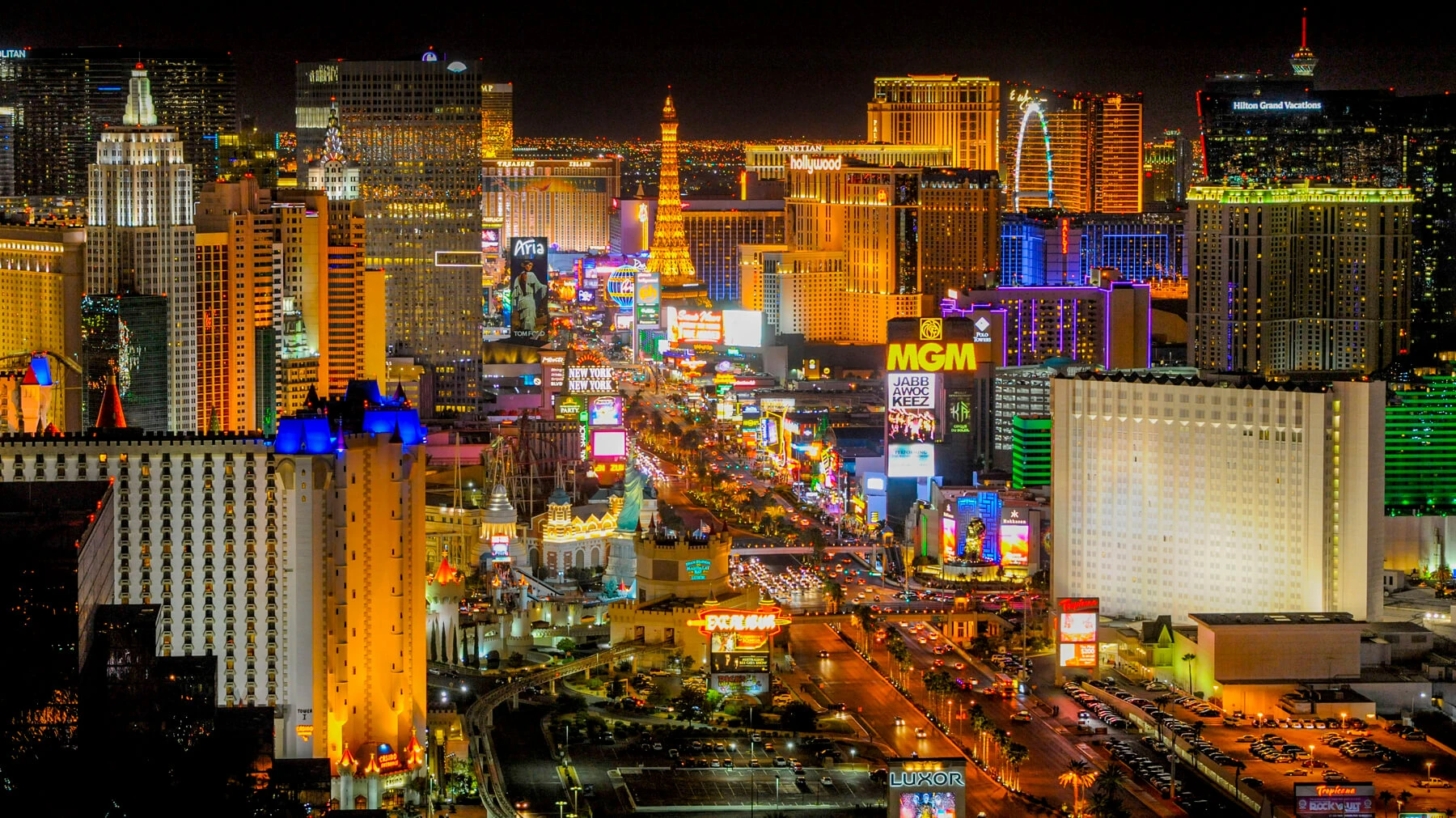
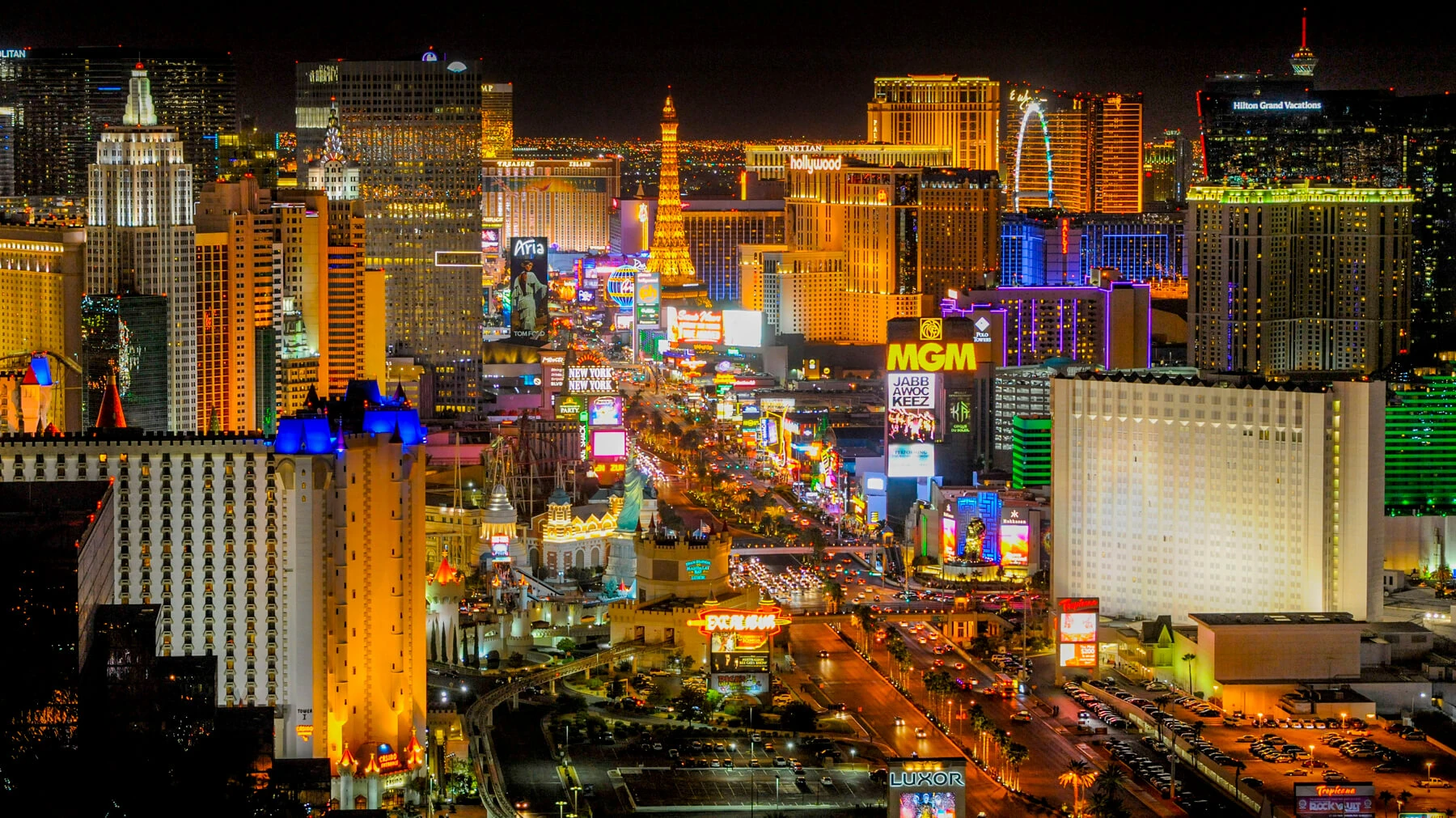
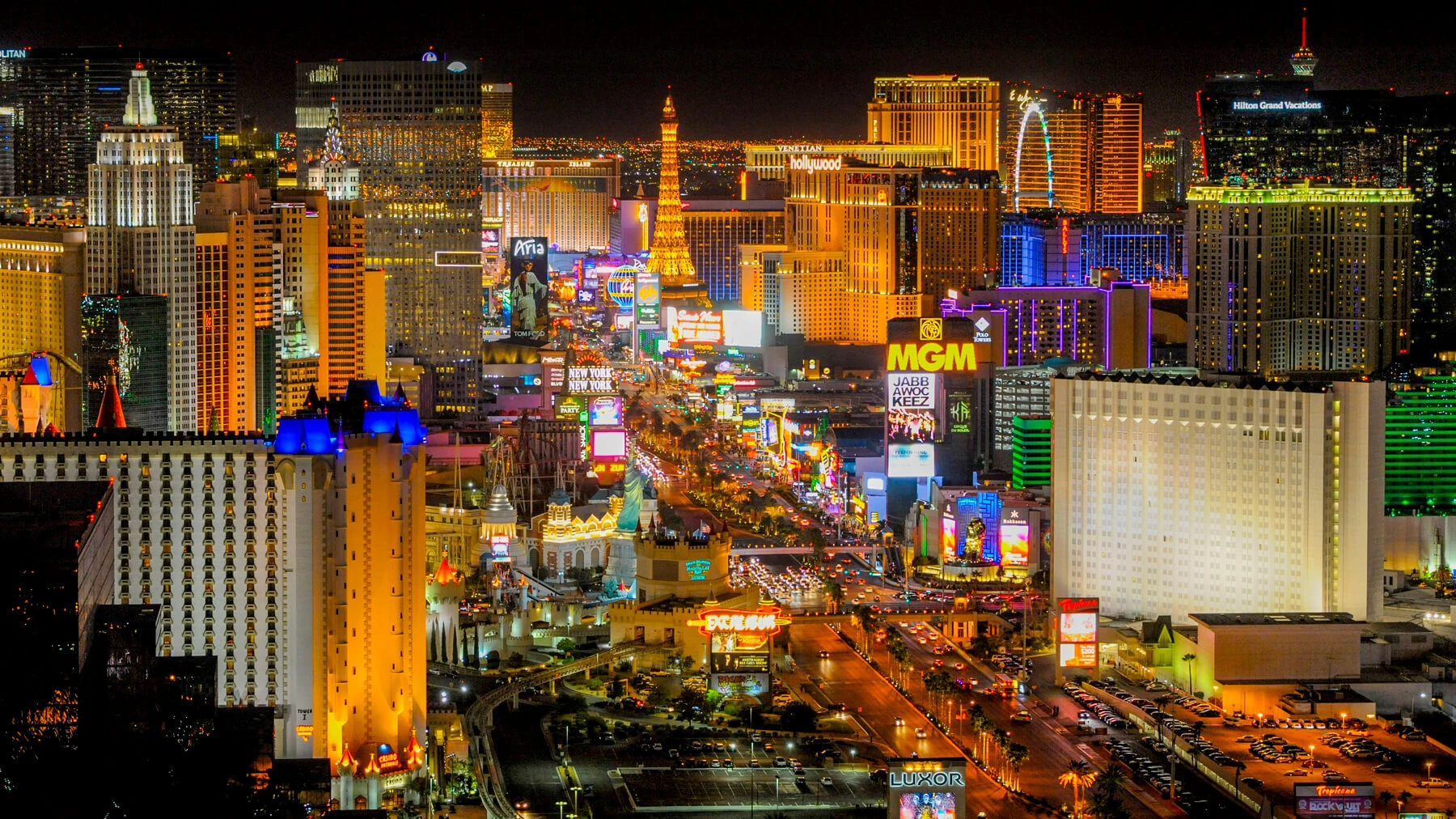
Strip Central Las Vegas occupies a strategic position that bridges the high-volume southern convention zones and the developing northern segments of the Strip. This placement creates natural advantages for events seeking balanced accessibility, as the district sits amid a dense cluster of resort properties that accommodate both exhibitors and attendees in close proximity. The area's layout supports efficient movement between hotel towers, entertainment venues, and exhibition spaces without requiring extensive external transit for many participants.
The central corridor has evolved into a preferred hub due to its ability to blend business programming with the iconic Las Vegas atmosphere. Resorts in this zone frequently host ancillary events, product launches, and networking functions that complement larger trade shows, allowing exhibitors to extend their presence across multiple touchpoints. Planning resources emphasize mapping these interconnections early to maximize exposure within the limited footprint of a single event.
District-level nuances become apparent when examining how central locations handle variable crowd densities throughout the day and evening. Unlike more isolated convention campuses, the central Strip experiences continuous pedestrian activity that can influence booth design, staffing requirements, and promotional tactics. Coordination plans should account for these rhythms to avoid bottlenecks while capitalizing on organic foot traffic from non-convention visitors.
Successful programs in this area typically begin with a thorough review of the specific event's alignment with central district strengths, including its capacity to support mid-sized to large gatherings within integrated resort ecosystems. This foundational step informs all subsequent decisions regarding scale, timing, and resource allocation.
Key Venues and Facilities Anchoring Central District Events
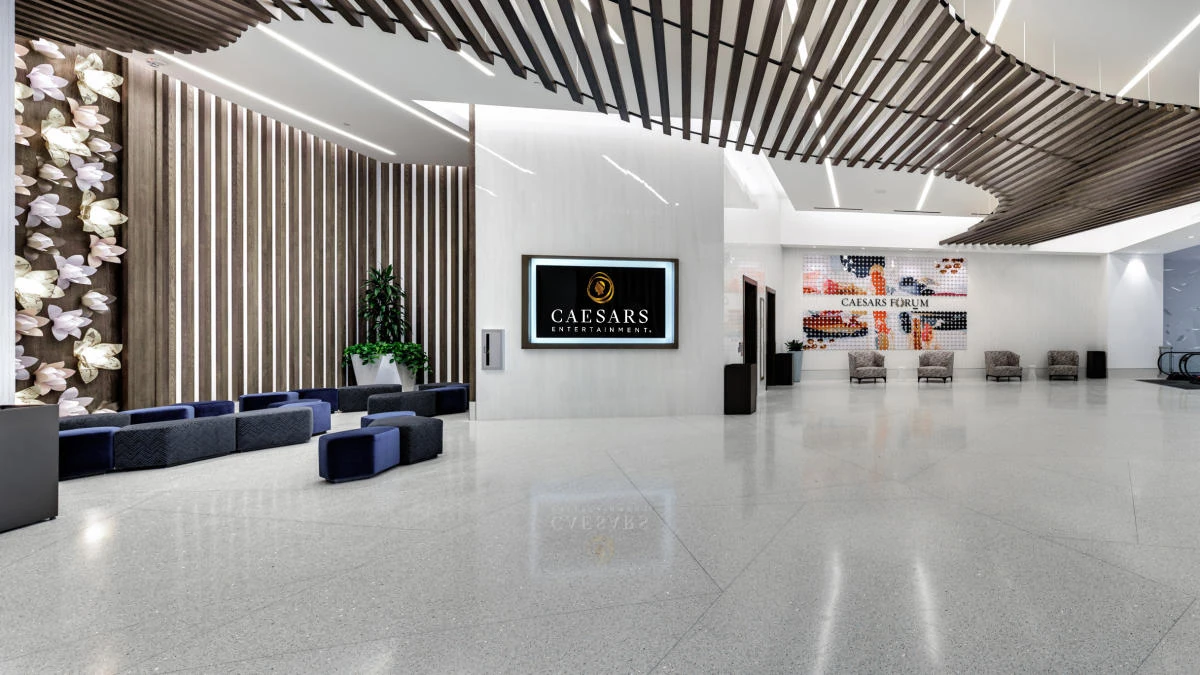
The central portion of the Las Vegas Strip is supported by several significant venues that drive consistent demand for trade show participation. Caesars Forum Conference Center stands out for its modern design and flexible configurations suitable for conferences, exhibitions, and hybrid events. Its location within the Caesars Palace complex allows direct integration with hotel accommodations and additional meeting spaces, streamlining operations for multi-day programs.
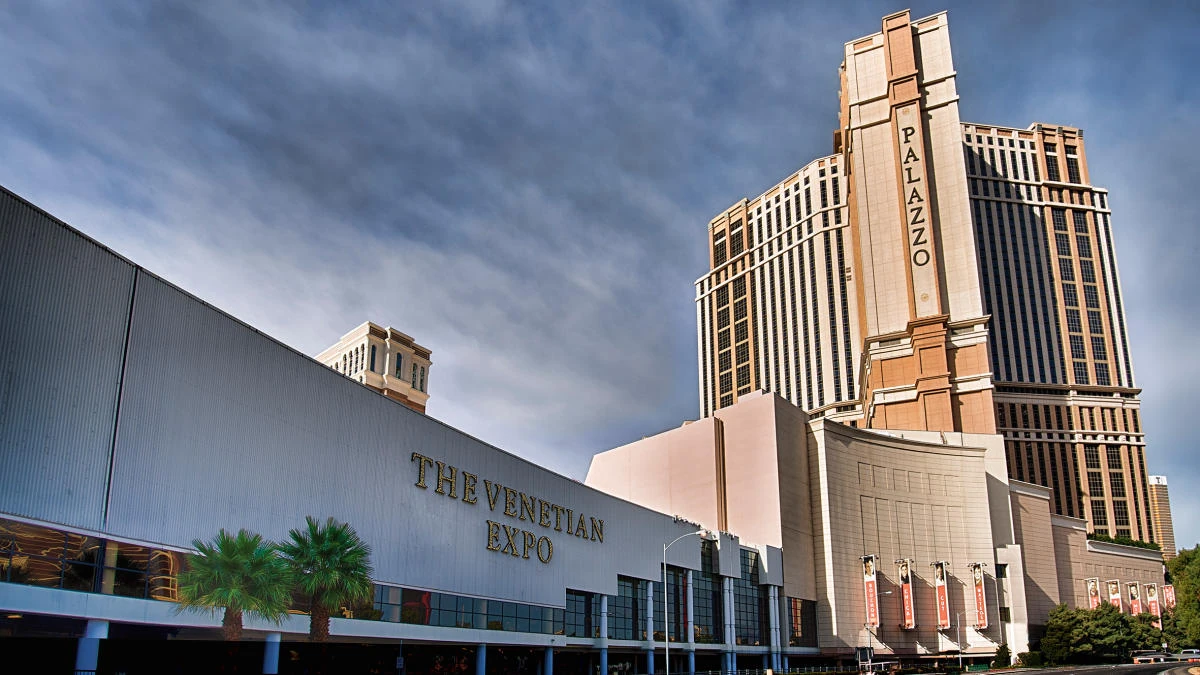
The Venetian Expo provides expansive exhibit halls that regularly accommodate major industry trade shows, benefiting from adjacency to the Venetian and Palazzo resorts. This setup enables convenient access for attendees staying on-property while maintaining the infrastructure needed for large-scale displays and demonstrations. Planning for these venues requires attention to their specific floor plans, loading access points, and technical capabilities to ensure smooth program delivery.
Additional facilities in the central zone, including those at properties like Virgin Hotels Las Vegas and Westgate Las Vegas Resort & Casino, offer complementary options for smaller concurrent events or overflow programming. These venues contribute to the overall ecosystem that makes Strip Central a viable base for coordinated exhibition strategies spanning multiple sites within a compact geographic area.
When mapping an event program, priority goes to understanding each venue's capacity, audiovisual infrastructure, and proximity to primary Strip thoroughfares. This knowledge allows for informed decisions about primary exhibit placement versus supporting activations and helps coordinate transportation and scheduling across the district.
Logistics Coordination for Central Strip Trade Shows
Coordinating logistics within Strip Central Las Vegas requires detailed mapping of transportation routes, delivery windows, and on-site movement constraints inherent to a dense urban resort corridor. Planners must account for the Strip's traffic patterns, designated loading zones at major properties, and the timing of peak visitor hours that can affect setup and dismantle schedules. Early development of a comprehensive logistics timeline helps prevent delays and ensures compliance with venue-specific operational guidelines.
The central district's interconnected resort layout offers opportunities for efficient material handling between nearby properties, yet demands precise scheduling to align with shared infrastructure. Successful coordination involves creating contingency plans for high-traffic periods and establishing clear communication protocols with all stakeholders involved in the exhibit lifecycle. This approach minimizes disruptions while maintaining the professional presentation standards expected at Las Vegas events.
Attention to attendee movement represents another critical logistics element. Central Strip venues often experience cross-flow between convention spaces and public areas, requiring exhibit designs and placement strategies that guide visitors effectively without interfering with resort operations. Planning documents should incorporate wayfinding considerations and staffing models adjusted for these unique circulation patterns.
From pre-event freight management through post-show return shipping, a structured coordination framework helps exhibitors navigate the operational details that distinguish central district events from more traditional convention center environments. This level of preparation contributes directly to smoother execution and stronger overall program outcomes.
Exhibit Design Strategies Optimized for Central District Audiences
Exhibit designs for Strip Central Las Vegas events must balance visual impact with functionality within the constraints of resort-integrated venues. The central district attracts a diverse audience that includes serious industry professionals attending targeted conferences alongside visitors drawn by the location's entertainment reputation. Effective designs therefore incorporate clear messaging hierarchies that communicate value propositions quickly while inviting deeper engagement.
High-visibility locations along the central Strip benefit from lighting, digital elements, and structural features that stand out amid competing stimuli from surrounding resorts and pedestrian activity. However, designs must also respect venue guidelines regarding height restrictions, electrical requirements, and material specifications to avoid costly modifications during installation. Early collaboration with planning resources ensures concepts align with both brand objectives and site realities.
Modular and reconfigurable systems prove particularly valuable in the central district, where exhibitors may participate in multiple related events or need to adjust footprints based on final space assignments. These approaches support efficient transportation and setup while allowing customization that reflects the specific audience demographics expected at central Las Vegas programs.
Incorporating interactive elements and technology that facilitate data capture has become increasingly important as exhibitors seek measurable outcomes from their central Strip presence. Designs should facilitate these interactions without creating congestion points that conflict with the natural flow of the venue or adjacent public spaces.
Timing and Calendar Alignment for Maximum Impact
The Las Vegas convention calendar features distinct peak periods that significantly influence planning for Strip Central events. Major industry trade shows tend to cluster around specific months when the combination of venue availability and target audience travel patterns creates optimal conditions. Understanding these cycles allows exhibitors to position their participation for maximum relevance and attendance quality.
Central district venues like Caesars Forum and the Venetian Expo host programming throughout the year, but strategic timing considers both primary event dates and surrounding opportunities for ancillary activities. Pre- and post-show activations at nearby resorts can extend the value of a central Strip presence, creating a more comprehensive engagement strategy that justifies travel investment.
Seasonal factors, including weather patterns typical of the Las Vegas region, also inform planning decisions regarding outdoor elements, hospitality functions, and transportation preferences. Coordination plans that integrate these variables help maintain program effectiveness regardless of calendar placement.
Long-range calendar monitoring enables proactive booth selection, sponsorship consideration, and resource allocation well ahead of deadlines. This forward-looking approach is particularly important in a competitive market like central Las Vegas where desirable slots at key venues can fill quickly.
Measuring Success and Refining Future Central Strip Programs
Effective exhibit programs in Strip Central Las Vegas incorporate structured approaches to performance measurement that account for both quantitative metrics and qualitative outcomes specific to the district. Beyond basic lead counts, evaluation frameworks should consider factors such as engagement quality, brand visibility within the unique central corridor environment, and the effectiveness of integrated resort activations.
Data collected during central district events can reveal insights about audience behavior patterns, optimal booth configurations for the area, and the relative value of different activation types. These findings inform refinements for subsequent participations, creating a cycle of continuous improvement tailored to the nuances of Strip Central programming.
Post-event analysis should examine logistical efficiencies, design performance under actual traffic conditions, and the success of coordination efforts across multiple venues or stakeholder groups. This comprehensive review process helps identify opportunities to enhance ROI while adapting to the evolving characteristics of central Las Vegas events.
Long-term planning benefits from maintaining detailed records of past central district experiences, including venue-specific lessons and audience response data. This institutional knowledge supports increasingly sophisticated approaches to future events in the district.
Connecting Strip Central to the Broader Las Vegas Convention Ecosystem
While Strip Central Las Vegas offers distinct advantages, its true potential emerges when integrated into a comprehensive view of the larger Las Vegas market. The central district connects effectively with nearby areas including the Convention Center District, Paradise, and Winchester, allowing for coordinated strategies that span multiple zones within a single trip.
Planning resources help exhibitors evaluate when a central Strip focus best serves their objectives versus when a broader approach incorporating Summerlin, Henderson, or Enterprise locations might deliver complementary benefits. This market-level perspective ensures resources are allocated efficiently across the region's varied venue clusters and audience segments.
The concentration of demand drivers throughout the Las Vegas area, supported by major facilities and resort properties, creates opportunities for multi-event itineraries that maximize the value of time spent in the market. Central district participation can serve as the cornerstone of such programs when selected and coordinated with attention to geographic and thematic synergies.
Understanding these broader connections enables more sophisticated exhibition strategies that leverage the full spectrum of Las Vegas convention capabilities while maintaining focus on the specific operational details that define success in Strip Central.
Frequently asked questions
What defines Strip Central Las Vegas for trade show planning purposes?
Strip Central Las Vegas refers to the midpoint section of Las Vegas Boulevard characterized by its dense concentration of integrated resorts, entertainment venues, and supporting exhibition facilities such as Caesars Forum and the Venetian Expo. This district offers unique pedestrian access and crossover audience potential that distinguishes it from south Strip or north Strip segments.
How should exhibitors approach venue selection in the central district?
Venue selection begins with matching event objectives to the specific capabilities of central facilities including floor space, technical infrastructure, and proximity to hotel accommodations. Coordination planning should evaluate Caesars Forum for conference-style events and Venetian Expo for larger exhibitions while considering integration opportunities with surrounding resort properties.
What logistical factors are most important for central Strip events?
Key logistical considerations include mapping designated loading zones, aligning with Strip traffic patterns, and accounting for continuous pedestrian flows that characterize the central corridor. Successful plans incorporate detailed timelines, contingency protocols, and clear stakeholder communication to navigate the operational density of the district.
How does audience diversity in Strip Central influence exhibit design?
Central district audiences often blend dedicated industry professionals with leisure visitors, requiring designs with clear, immediate messaging alongside opportunities for deeper engagement. Interactive elements and technology should facilitate data collection while respecting venue guidelines and avoiding congestion in high-traffic environments.
When is the optimal time to participate in central Las Vegas trade shows?
Optimal timing aligns with the established Las Vegas convention calendar, venue availability at key central facilities, and seasonal factors affecting travel and operations. Early calendar review allows for strategic positioning around major events while incorporating opportunities for supporting activations at nearby properties.
How can exhibitors measure ROI for central Strip programs?
ROI measurement should combine quantitative metrics like lead volume and engagement rates with qualitative assessments of brand visibility and logistical efficiency specific to the central district. Post-event analysis of audience behavior, design performance, and coordination effectiveness informs refinements for future central Las Vegas participations.
Top venues
See all venues